Location
1120 Holland Drive #13 Boca Raton, FL 33487
Contact info
info@sustainableitad.com
(561) 591-3476
Location
1120 Holland Drive #13 Boca Raton, FL 33487
Contact info
info@sustainableitad.com
(561) 591-3476
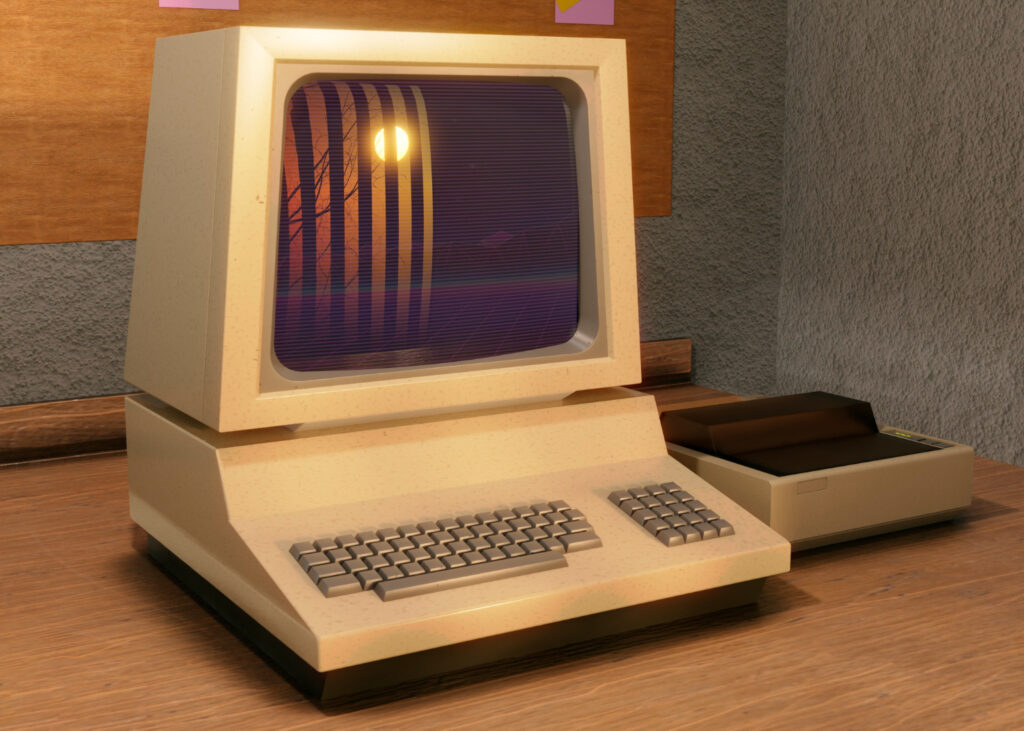
Tucked away in storage rooms and basements, old computer monitors are some of the most common and overlooked pieces of retired tech. CRTs from the early 2000s and bulky flat screens from the last decade still sit idle in offices, schools, and homes. Though outdated, they serve as a powerful reminder of how modern waste builds up—not with dramatic crashes, but with quiet accumulation.
If you need ITAD services please contact us below:
Many old monitors were built with durable materials, but not with disassembly or recyclability in mind. CRTs contain leaded glass and toxic phosphors, while early LCDs include mercury-filled backlights and complex circuitry. These materials make them hard and expensive to recycle, and often impossible to reuse. Their design reflects a time before circular economy thinking, when end-of-life wasn’t part of product development.
Organizations often postpone disposing of monitors because they seem harmless or are saved “just in case.” But delaying proper recycling only increases the environmental and logistical burden. Old equipment takes up valuable space, adds to inventory clutter, and presents growing compliance risks. As e-waste regulations tighten, even forgotten monitors can become audit points or liability markers.
These relics of past IT cycles highlight the importance of planning for end-of-life from the start. Today’s IT leaders must evaluate not only performance and cost but also how easily devices can be upgraded, reused, or broken down. The monitors gathering dust today are proof that without foresight, yesterday’s tech becomes today’s problem—and tomorrow’s waste.
Properly managing old monitors is more than a cleanup project—it’s a mindset shift. It means acknowledging that technology has a lifecycle, and that every piece of hardware will someday need responsible retirement. By recognizing the lessons in old equipment, businesses can build better habits and more sustainable IT strategies that don’t leave behind a trail of forgotten tech.
If you need ITAD services please contact us below: