Location
1120 Holland Drive #13 Boca Raton, FL 33487
Contact info
info@sustainableitad.com
(561) 591-3476
Location
1120 Holland Drive #13 Boca Raton, FL 33487
Contact info
info@sustainableitad.com
(561) 591-3476
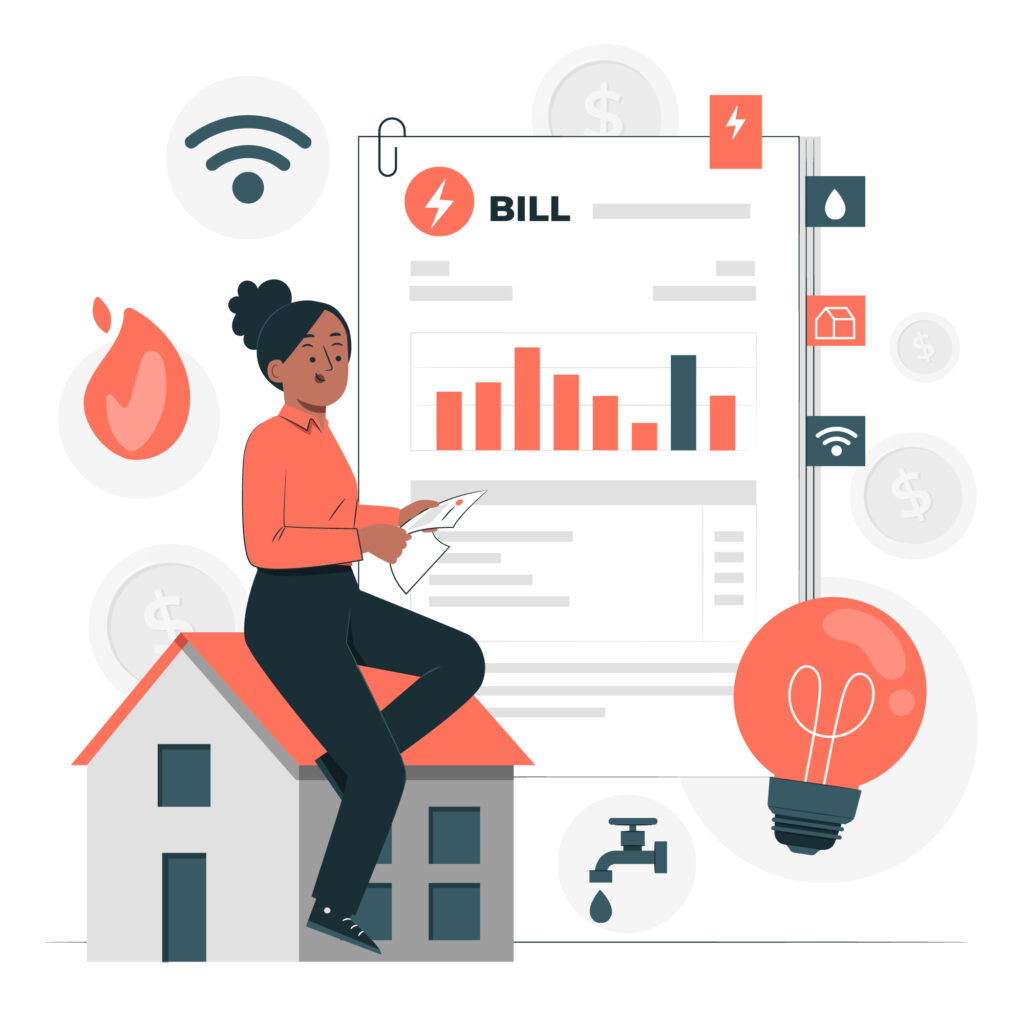
For most data centers, electricity isn’t just an operating cost—it’s the dominant one. Power feeds servers, storage systems, cooling units, lighting, and backup infrastructure, often around the clock. In large-scale facilities, this can add up to tens of millions of dollars per year. The power bill reflects not just usage, but efficiency, scale, and how well the site is engineered to handle heat and load.
If you need ITAD services please contact us below:
While racks of servers draw most of the electricity, they’re only part of the story. Cooling systems—CRAC units, chillers, fans, and liquid systems—can consume nearly as much power as the computing equipment itself. Lighting, security systems, and power conversion losses (from switching and uninterruptible power supplies) all contribute. This means a large share of a data center’s energy never touches a CPU.
Power Usage Effectiveness (PUE) is the industry metric used to evaluate how efficiently a data center uses energy. A perfect PUE is 1.0, meaning every watt goes to IT equipment. Most modern facilities aim for a PUE of 1.2 or lower, but older centers often exceed 2.0. Lowering PUE directly reduces the power bill—so data center operators monitor and optimize this metric constantly.
Power costs vary widely by region. A data center in Washington State, where hydroelectric power is abundant and cheap, might pay a fraction of what a similar facility in New York or California pays. That’s why power pricing heavily influences where companies choose to build or lease space. Renewable energy commitments and local utility policies also shape long-term cost projections.
Understanding the anatomy of a data center power bill reveals how tightly energy and technology are linked. As demand for digital services grows, so does the need to make those services efficient and sustainable. For data centers, cutting costs means cutting watts—and every improvement in design, airflow, or workload management shows up in the monthly bill.
If you need ITAD services please contact us below: