Location
1120 Holland Drive #13 Boca Raton, FL 33487
Contact info
info@sustainableitad.com
(561) 591-3476
Location
1120 Holland Drive #13 Boca Raton, FL 33487
Contact info
info@sustainableitad.com
(561) 591-3476
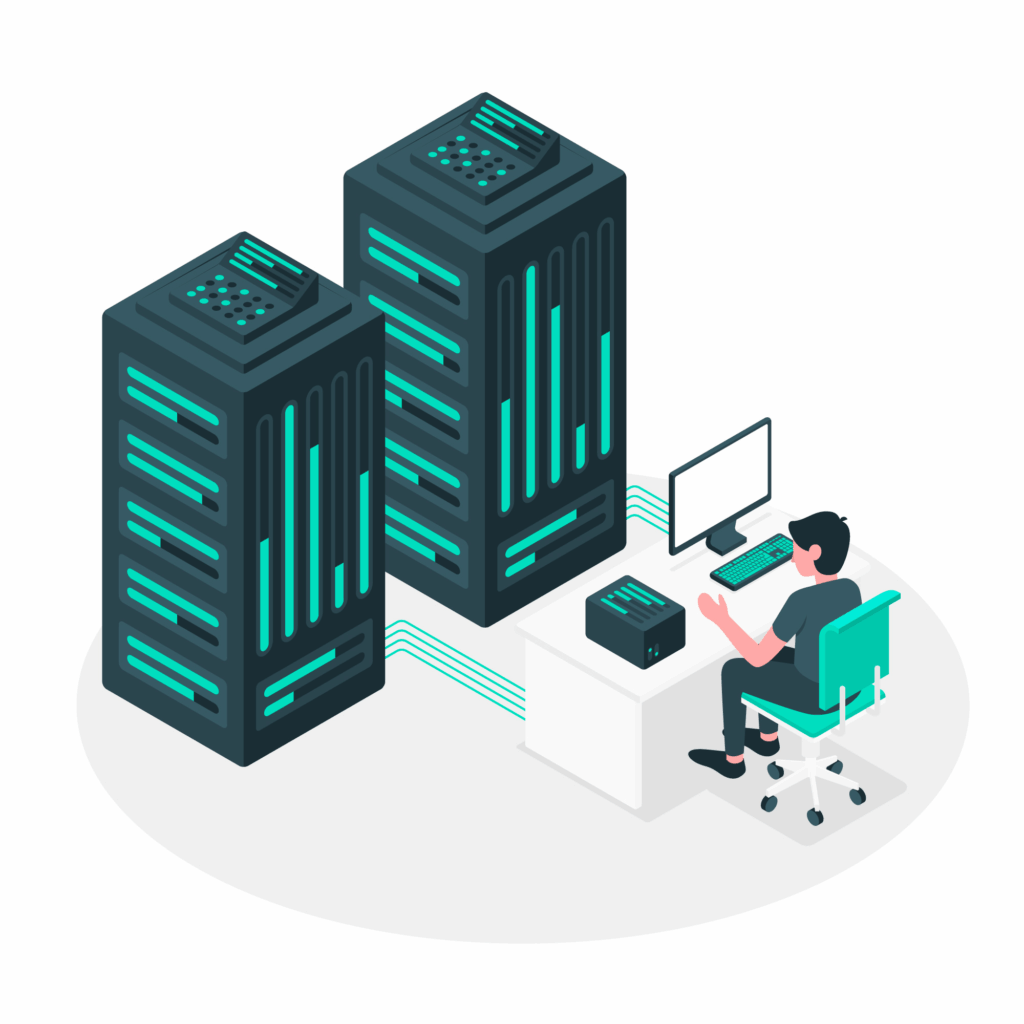
Edge computing has emerged as a transformative solution for reducing latency and improving performance by processing data closer to its source. From retail stores and manufacturing floors to remote energy sites and autonomous vehicles, edge deployments are becoming more widespread and diverse. However, this shift brings new challenges for IT asset disposition (ITAD), as organizations must now manage hardware across dispersed, often inaccessible environments.
If you need ITAD services please contact us below:
With edge devices frequently deployed in locations outside traditional data centers, securing data during end-of-life becomes increasingly complex. Many of these devices contain sensitive business or user data, necessitating secure, location-specific data destruction methods. Solutions like on-site shredding, cryptographic erasure, and remote wipe capabilities play a vital role in ensuring that data is irrecoverable before devices are decommissioned or removed.
Distributed hardware means ITAD providers must coordinate pickups, audits, and verification across many locations—each with varying conditions, accessibility, and regulatory requirements. This complexity increases logistical costs and the need for robust chain-of-custody protocols. Effective lifecycle management tools, including GPS-tracked transportation and centralized asset tracking systems, are essential for ensuring accountability and compliance.
To manage edge hardware responsibly at scale, ITAD providers must develop scalable solutions that prioritize sustainability and efficiency. These may include mobile processing units, localized refurbishment centers, and AI-powered systems for assessing hardware condition in the field. Emphasizing reuse, refurbishment, and ethical recycling helps reduce the environmental impact of widespread edge deployments.
As edge computing continues to evolve, so too must the ITAD strategies that support it. Emerging technologies such as automated self-diagnostic devices, blockchain for audit trails, and smart contracts for ITAD service agreements may reshape how edge infrastructure is retired. Organizations investing in edge computing must prioritize robust ITAD frameworks to ensure secure, sustainable, and compliant hardware management at scale.
If you need ITAD services please contact us below: