Location
1120 Holland Drive #13 Boca Raton, FL 33487
Contact info
info@sustainableitad.com
(561) 591-3476
Location
1120 Holland Drive #13 Boca Raton, FL 33487
Contact info
info@sustainableitad.com
(561) 591-3476
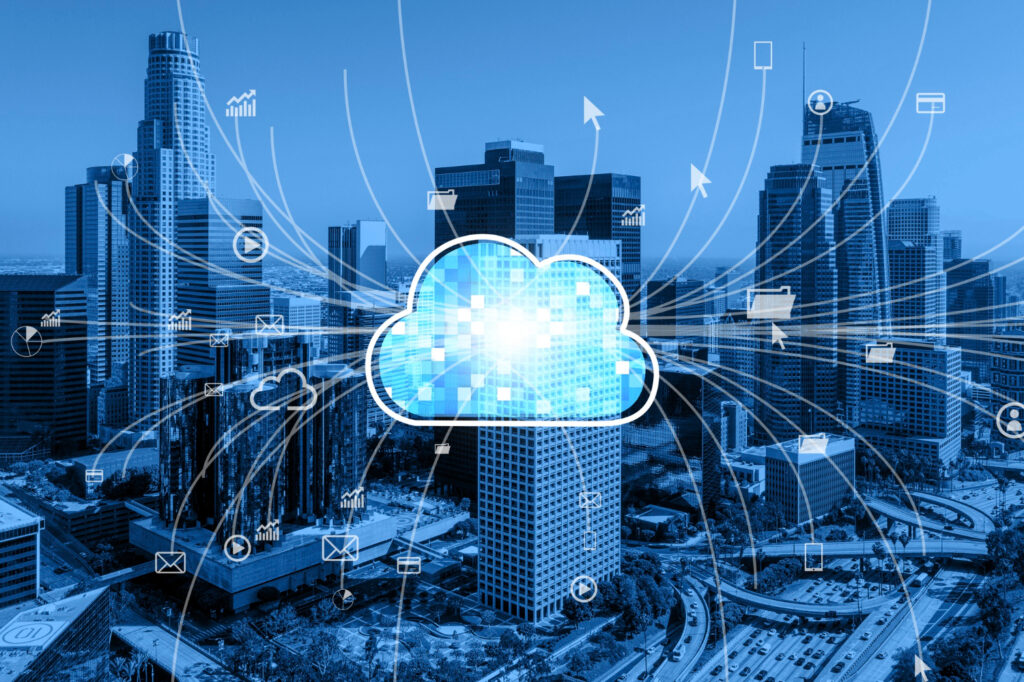
As businesses accelerate their migration to the cloud, physical data centers are downsizing, consolidating, or closing altogether. This digital transformation promises cost savings, scalability, and energy efficiency — but it also generates a massive wave of obsolete hardware. The question few are asking: What happens to all those decommissioned servers, racks, drives, and switches?
If you need ITAD services please contact us below:
Every shift to the cloud leaves behind physical infrastructure. Servers that once ran core business functions become redundant. For hyperscale providers, this transition may mean upgrading to newer, more efficient machines. For smaller organizations, it often means clearing out legacy equipment during the move. Either way, the result is a growing pile of electronic waste — much of it still containing sensitive data and valuable materials.
Without a clear IT asset disposition (ITAD) strategy, this hardware can pose serious risks. Servers may hold confidential company or customer data, and improper handling can lead to costly breaches. Meanwhile, e-waste that isn’t properly recycled contributes to global pollution and the loss of recoverable metals like gold, silver, and copper. Simply put, migrating to the cloud without decommissioning responsibly creates new threats while solving old ones.
A well-planned cloud migration should include a parallel ITAD plan. This means identifying decommissioned assets, securely wiping or destroying data, and deciding whether to recycle, refurbish, or resell each item. Partnering with certified ITAD providers ensures compliance with regulations like GDPR, HIPAA, and local e-waste laws — and adds transparency through documented chain-of-custody and reporting.
Cloud-driven IT doesn’t mean the end of physical infrastructure — it shifts responsibility for it. Whether businesses maintain on-premise systems, move to colocation, or outsource to public cloud providers, they must still consider the lifecycle of their hardware. By embracing circular IT principles and ensuring proper end-of-life management, organizations can reduce waste, recover value, and support global sustainability goals.
Cloud migration may reduce your data center footprint, but it expands your responsibility for legacy equipment. The move to digital should not leave behind a trail of physical waste. By aligning ITAD with cloud strategies, companies can truly modernize — not just virtually, but sustainably.
If you need ITAD services please contact us below: