Location
1120 Holland Drive #13 Boca Raton, FL 33487
Contact info
info@sustainableitad.com
(561) 591-3476
Location
1120 Holland Drive #13 Boca Raton, FL 33487
Contact info
info@sustainableitad.com
(561) 591-3476
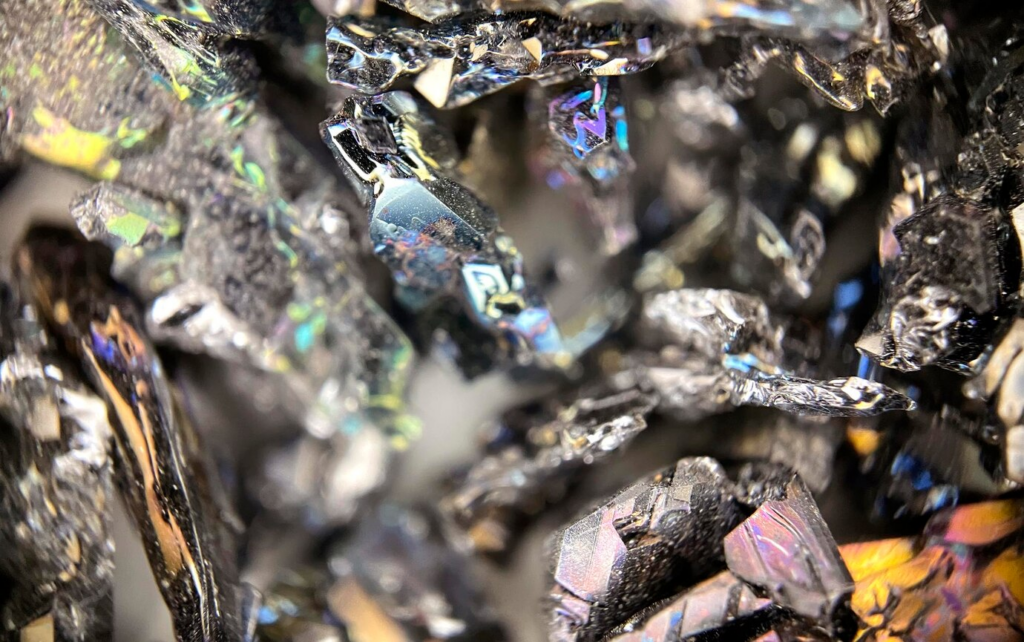
E-waste, comprising discarded electronic devices, is a growing global concern. Beyond its environmental implications, e-waste presents many opportunities for precious metal recovery, including gold, silver, palladium, and platinum, embedded in circuit boards and electronic components. The recovery of these metals presents a unique economic opportunity, driving innovation in recycling technologies and fostering a circular economy.
If you need recycling services please contact us below:
The electronics industry is one of the largest consumers of precious metals due to their superior conductivity and durability. Gold is used in connectors and microchips, silver in switches and solder, and palladium in multilayer ceramic capacitors. As technology advances and the demand for electronics increases, the pressure on natural reserves intensifies, emphasizing the importance of recycling as a sustainable source.
The recovery of precious metals from e-waste is a lucrative endeavor, driven by the high market value of these materials. For instance:
Modern recovery techniques have evolved to maximize efficiency while minimizing environmental impact:
Despite its economic potential, precious metal recovery faces challenges:
The recovery of precious metals creates a dual benefit: reducing the need for mining and generating revenue from secondary raw materials. This synergy contributes to sustainable development by conserving resources and mitigating the ecological footprint of electronics production. Moreover, the economic incentives of metal recovery encourage the growth of recycling industries, creating jobs and fostering technological advancements.
Governments, corporations, and recycling entities play a critical role in scaling precious metal recovery. Policies mandating extended producer responsibility (EPR) and subsidies for recycling infrastructure can incentivize more effective recovery practices. Collaborative efforts between manufacturers and recyclers can also streamline the recycling process, ensuring valuable materials are efficiently reclaimed.
The economics of precious metal recovery in electronics recycling underscores the untapped potential within e-waste. By embracing advanced technologies and fostering global collaboration, stakeholders can unlock significant value while promoting sustainability. As the demand for electronics grows, the role of recycling in addressing both economic and environmental challenges will only become more pivotal. Through innovation and investment, e-waste can transform from a liability into a valuable resource for the future.
If you need recycling services please contact us below: